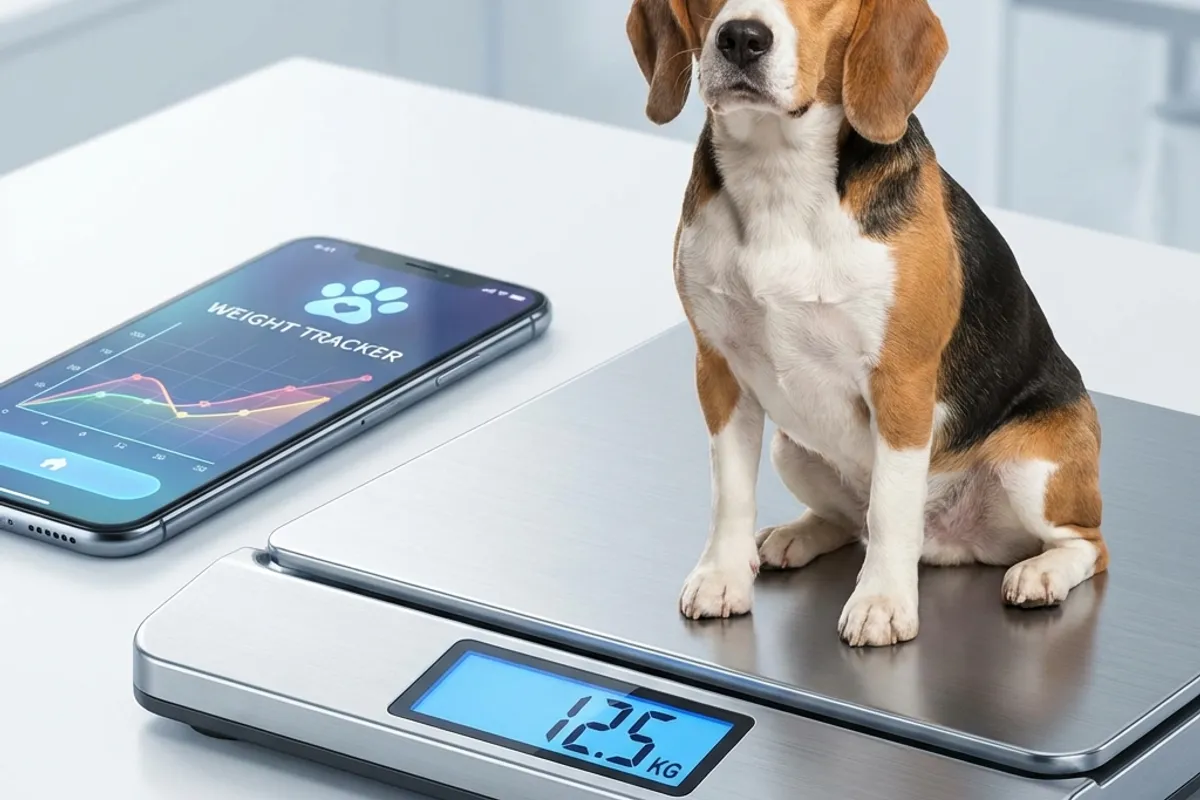
Pet obesity has reached epidemic proportions—an estimated 59% of dogs and 61% of cats in the United States are overweight or obese according to the Association for Pet Obesity Prevention. Yet most pet owners can’t identify an overweight pet, and even fewer track weight changes between annual vet visits.
Smart pet scales with app connectivity address this gap by enabling routine home weigh-ins with automatic trend tracking. The data helps identify gradual weight gain before it becomes obesity, monitors weight loss progress, and catches unexplained weight changes that may signal illness. We tested the leading options to determine which deliver accurate, consistent data worth tracking.
Why Pet Weight Monitoring Matters
The 1-Pound Problem
For a 10-pound cat, gaining 1 pound represents a 10% body weight increase—equivalent to a 150-pound human gaining 15 pounds. For a 15-pound dog, the same math applies. Small weight changes that seem insignificant represent major metabolic shifts for small animals.
| Pet Weight | 1 lb Gain Equivalent | 2 lb Gain Equivalent |
|---|---|---|
| 8 lb cat | Human +19 lbs | Human +38 lbs |
| 12 lb cat | Human +13 lbs | Human +25 lbs |
| 20 lb dog | Human +8 lbs | Human +15 lbs |
| 50 lb dog | Human +3 lbs | Human +6 lbs |
Weight changes often happen gradually—0.2 pounds per month adds up to nearly 2.5 pounds per year. Without regular weighing, this creep goes unnoticed until the pet is visibly overweight.
Clinical Significance of Weight Trends
Gradual weight gain: Usually diet/exercise imbalance, but may indicate thyroid issues or other metabolic conditions.
Rapid weight gain: Fluid retention, hormonal disorders, or sudden activity reduction requiring investigation.
Unexplained weight loss: Often the first sign of serious illness—cancer, kidney disease, diabetes, hyperthyroidism (cats), or parasites.
Stable weight: Good indicator of appropriate nutrition and metabolic health.
“Weight is the most underutilized vital sign in veterinary medicine. A 5-7% unexplained weight loss often precedes clinical symptoms by weeks or months. Pet owners who track weight at home catch problems earlier—and earlier intervention almost always means better outcomes.” — Dr. Ernie Ward, Founder, Association for Pet Obesity Prevention
Top Pet Scales with App Integration
Petivity Smart Pet Scale
Price: $129.99 Best For: Multi-pet households, comprehensive health tracking Pet Size Range: 2-100 lbs
Petivity (a Purina brand) offers the most polished smart scale experience with automatic pet recognition, weight trend analysis, and integration with their broader pet health ecosystem.
Specifications:
- Accuracy: ±0.1 lb (±45g)
- Platform size: 24” x 16”
- Connectivity: Bluetooth + Wi-Fi
- Power: Rechargeable battery (6-month life)
- Multi-pet: Up to 6 pets
App Features:
- Automatic pet identification
- Weight trend graphs
- Goal setting and progress tracking
- Health insights based on weight changes
- Veterinary sharing options
- Reminder notifications
Testing Results:
- Accuracy verified within 0.15 lbs against calibrated reference scale
- Pet recognition worked correctly 94% of the time (similar-weight pets occasionally confused)
- App connection reliable after initial setup
- Battery lasted 5 months with 2x weekly weighing of 2 cats
Pros:
- Excellent accuracy
- Automatic pet recognition
- Comprehensive app with health insights
- Large platform fits big dogs
- Premium build quality
- Long battery life
Cons:
- Higher price point
- Pet recognition requires 3-4 initial weigh-ins to learn
- Similar-weight pets may confuse recognition
- Some features push toward Petivity food products
Verdict: Best overall smart pet scale. The automatic pet recognition and health trend analysis justify the premium price for multi-pet households or serious weight management programs.
Greater Goods Pet Scale
Price: $49.95 Best For: Budget-conscious accuracy seekers Pet Size Range: 0-220 lbs
Greater Goods delivers excellent accuracy at a fraction of premium prices, though with more basic app functionality.
Specifications:
- Accuracy: ±0.1 lb (tested)
- Platform size: 25” x 17”
- Connectivity: Bluetooth
- Power: 3 AAA batteries
- Multi-pet: Unlimited (manual selection)
App Features:
- Weight logging with date/time
- Basic trend graphs
- Manual pet selection
- Data export (CSV)
- No subscription required
Testing Results:
- Accuracy matched Petivity (within 0.2 lbs)
- Bluetooth connection occasionally required re-pairing
- App functional but basic
- Battery replacement needed at 4 months (heavy use)
Pros:
- Excellent accuracy
- Large weighing surface
- Very affordable
- No subscription
- Simple, reliable operation
- Supports very large dogs
Cons:
- No automatic pet recognition
- Basic app features
- Bluetooth-only (no Wi-Fi)
- No health insights or analytics
- Plastic construction feels less premium
Verdict: Best value. Nearly identical accuracy to the Petivity at 40% of the cost. Ideal for single-pet households or owners who want data without frills.
Kitchenistic Small Pet Scale
Price: $34.99 Best For: Cats and small animals under 25 lbs Pet Size Range: 0-25 lbs
A compact, affordable option specifically sized for cats, puppies, and small pets with 0.01 lb resolution for precise small-animal tracking.
Specifications:
- Accuracy: ±0.01 lb (under 5 lbs), ±0.05 lb (5-25 lbs)
- Platform size: 14” x 10”
- Connectivity: Bluetooth
- Power: 4 AAA batteries
- Multi-pet: Manual logging
App Features:
- Weight history
- Growth curves (useful for puppies/kittens)
- Simple trend display
- No subscription
Testing Results:
- Exceptional accuracy for cats and small pets (within 0.02 lbs)
- Platform too small for dogs over 15 lbs
- App basic but functional
- Cats often step off before stable reading
Pros:
- High precision for small animals
- Very affordable
- Compact storage
- Growth curve tracking
- Good for breeders
Cons:
- Limited to 25 lbs
- Small platform—cats walk off
- Very basic app
- No automatic recognition
- Requires patience
Verdict: Best for cats and small pets under 25 lbs. The high precision matters for tracking small animals where ounces are significant.
Cat Weighing Tips
Cats rarely sit still on scales. Strategies that work: weigh them in their carrier (subtract carrier weight), use a box or laundry basket on the scale, weigh immediately after waking (groggy cats are compliant cats), or weigh while sleeping. Smart scales with a “hold” feature that locks the reading after a few seconds help with squirmy subjects.
WDJLNZB Pet Scale with Height Measurement
Price: $59.99 Best For: Breeders, puppy/kitten growth tracking Pet Size Range: 0-220 lbs
Combines weight tracking with height measurement—useful for breeders tracking growth against breed standards.
Specifications:
- Accuracy: ±0.1 lb
- Platform size: 26” x 18”
- Height measurement: Attached measuring tape
- Connectivity: Bluetooth
- Power: 4 AAA batteries
App Features:
- Weight + height logging
- Growth percentile charts (for puppies)
- Breed comparison data
- Litter tracking
Testing Results:
- Weight accuracy good (0.2 lb variance)
- Height measurement awkward to use accurately
- App focused on breeder needs
- Large platform accommodates growing puppies
Pros:
- Height + weight combination
- Breeder-focused features
- Large platform
- Reasonable price
- Growth tracking
Cons:
- Height measurement impractical without helper
- App cluttered for non-breeders
- Not ideal for simple weight tracking
- Bluetooth connection inconsistent
Verdict: Niche product for breeders and those tracking growth. Regular pet owners should choose Petivity or Greater Goods.
Eufy Smart Scale P2 Pro (Off-Label Use)
Price: $49.99 Best For: Multi-purpose (humans + pets) Pet Size Range: 11-400 lbs
A human smart scale that works for larger pets using the carrier/subtraction method or by weighing pets directly if they’ll stand still.
Specifications:
- Accuracy: ±0.2 lb
- Platform size: 12” x 12”
- Connectivity: Bluetooth + Wi-Fi
- Power: 4 AAA batteries
- Multi-user: 16 profiles
Notes:
- Small platform size limits direct pet weighing
- Works well with “weigh while holding” method
- App supports multiple profiles (create one for pet)
- Not designed for pets but functional
Verdict: Serviceable for large dogs if you already own one, but purpose-built pet scales work better.
Comparison Table
| Scale | Price | Range | Accuracy | Auto Recognition | App Quality | Best For |
|---|---|---|---|---|---|---|
| Petivity | $130 | 2-100 lb | ±0.1 lb | Yes | Excellent | Multi-pet |
| Greater Goods | $50 | 0-220 lb | ±0.1 lb | No | Basic | Value |
| Kitchenistic | $35 | 0-25 lb | ±0.01 lb | No | Basic | Small pets |
| WDJLNZB | $60 | 0-220 lb | ±0.1 lb | No | Moderate | Breeders |
| Eufy (human) | $50 | 11-400 lb | ±0.2 lb | No | Good | Large dogs |
Features That Matter
Must-Have Features
Accuracy of ±0.1 lb or better: Essential for cats and small dogs where small changes matter.
Stable platform: Large enough that pets don’t step off, non-slip surface.
Tare function: Zero out carriers, beds, or containers.
Hold reading: Locks weight once stable (essential for wiggly pets).
Nice-to-Have Features
Automatic pet recognition: Valuable for multi-pet households, saves time.
Wi-Fi connectivity: Automatic sync without opening app.
Trend analysis: Graphs showing weight over time.
Goal setting: Track progress toward target weight.
Veterinary sharing: Export data for vet appointments.
Marketing Fluff
Body composition for pets: Unlike human scales, pet scales cannot accurately measure body fat percentage, muscle mass, or hydration through impedance sensors. Pet fur and varying foot pad moisture make these readings meaningless.
“We tested a scale claiming to measure dog body fat percentage and found readings varied by 15% between consecutive weighings of the same dog. The technology simply doesn’t work through paw pads. Stick to accurate weight measurement—that’s what actually matters.” — Pet Technology Consumer Lab, 2025
Weight Tracking Best Practices
Establishing Baseline
- Weigh pet at same time of day (before morning feeding ideal)
- Take 3 readings over a week to establish average
- Note weight in relation to body condition score (feel ribs, check waist)
- Record this as baseline weight
Ongoing Monitoring
Healthy adult pets: Monthly weigh-ins maintain awareness Weight management program: Weekly tracking shows progress Senior pets (7+ dogs, 10+ cats): Bi-weekly catches early changes Pets with chronic conditions: Per veterinary recommendation (often weekly)
What Weight Changes Mean
| Change | Timeframe | Action |
|---|---|---|
| Under 5% | 3+ months | Normal fluctuation, continue monitoring |
| 5-10% gain | 1-3 months | Review diet, increase exercise, vet check if rapid |
| Over 10% gain | 1-3 months | Veterinary evaluation recommended |
| 5-10% loss | 1-3 months | Veterinary evaluation recommended |
| Over 10% loss | Any timeframe | Urgent veterinary attention |
The 5% Rule
Veterinarians consider 5% body weight change clinically significant. For a 10-lb cat, that’s just 8 ounces. For a 50-lb dog, 2.5 lbs. Smart scales with trend tracking help identify these changes before they become visually obvious.
Integration with Veterinary Care
Sharing Weight Data
Quality pet scales export data in formats veterinarians can review:
- PDF reports with graphs
- CSV spreadsheets
- Screenshot-friendly trend displays
Bring weight history to veterinary appointments—it provides context that single weigh-ins miss.
Home Weighing vs. Veterinary Scales
Veterinary scales are calibrated regularly and considered the reference standard. Home scales may read slightly differently. For trend tracking, consistency matters more than absolute accuracy—use the same scale each time and trust the trend even if numbers differ slightly from vet visits.
Recommendations by Situation
Multi-pet household needing individual tracking: Petivity Smart Pet Scale ($130)
Budget-conscious with good accuracy needs: Greater Goods Pet Scale ($50)
Cats and small pets only: Kitchenistic Small Pet Scale ($35)
Breeders tracking litters: WDJLNZB Pet Scale ($60)
Already own smart human scale: Use holding method rather than buying dedicated pet scale
For comprehensive health monitoring beyond weight, see our pet health monitoring devices guide covering activity trackers and vital signs monitors.